Converting volume measurements like cubic yards into weight measurements like tons is one of the most practical and frequently encountered challenges in landscaping, construction, and home improvement. Whether you are ordering a delivery of crushed stone for a driveway, topsoil for a garden bed, or shredded bark mulch for pathways, suppliers typically price and sell materials by volume (Volume Converter), but heavy transport trucks and dump trailers are bound by weight limits. Miscalculating these conversions can lead to overloaded vehicles, illegal road transport risks, or falling short on material right in the middle of a weekend project. Our Weight Converter utility can assist with secondary metric adjustments, but mastering the underlying volume-to-weight mathematics for distinct landscaping products ensures your project runs smoothly from calculation to delivery.
Understanding the exact relationship between spatial volume and physical weight protects you from unexpected delivery fees, rejected truck loads at the quarry, and structural damage to personal vehicles. Bulk materials do not share uniform weights; a volume of porous organic material behaves entirely differently under a scale than a volume of dense mineral aggregate. By taking the time to calculate precise requirements, examine moisture variables, and understand structural load capacities, homeowners and contractors can streamline material logistics, reduce material waste, and stay safely within regulatory highway limits.
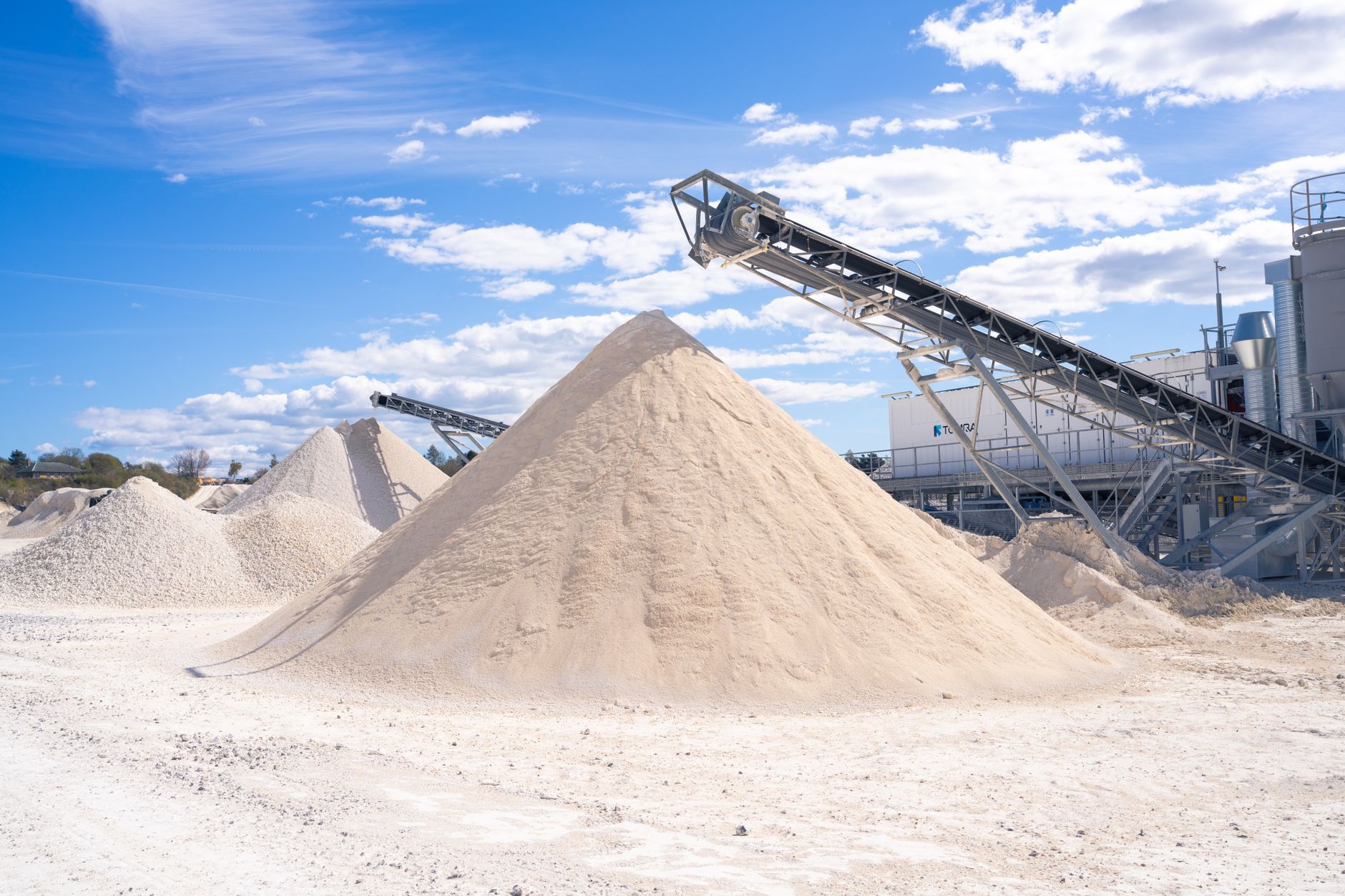
The Core Math: Connecting Volume and Weight via Density
To convert cubic yards to tons accurately, you cannot rely on a universal multiplier because different materials possess vastly different densities. A cubic yard of dry, fluffy organic mulch weighs a fraction of what a cubic yard of dense, wet aggregate stone weighs. The fundamental mathematical relationship hinges entirely on material density:
Weight (Tons) = Volume (Cubic Yards) × Density (Tons per Cubic Yard)
Alternatively, many material suppliers list weight in pounds per cubic yard. In that case, the two-step formula requires converting pounds into tons:
Weight (Tons) = [Volume (Cubic Yards) × Density (Pounds per Cubic Yard)] ÷ 2,000
Let us break down each variable in these formulas in complete detail:
- Volume (Cubic Yards): The three-dimensional space your project requires, calculated by multiplying length, width, and depth (in yards). If your measurements are in feet, multiply length × width × depth in feet, then divide the total by 27.
- Density (Tons or Pounds per Cubic Yard): The physical property representing how tightly packed the matter is within a given volume. This number changes dramatically based on moisture content, compaction, and material composition.
- Tons: In North American landscaping and construction, a "ton" typically refers to the short ton, which equals exactly 2,000 pounds (907.18 kilograms). Always verify whether your supplier uses short tons (2,000 lbs) or metric tonnes (2,204.6 lbs / 1,000 kg) to avoid costly ordering errors.
- Conversion Factor: The bridge between imperial pounds and short tons is strictly 2,000. Never confuse this with the 2,204.6-pound metric tonne used in international shipping.
To deepen your mathematical intuition, consider how volume scales linearly while weight responds directly to compaction and void spaces. In porous materials like mulch or compost, a high percentage of the cubic yard is actually trapped air. In solid aggregates like crushed granite, air pockets are minimized, concentrating significantly more mass into that exact same one-cubic-yard spatial boundary.
Standard Material Densities for Landscaping and Construction
Before plugging numbers into your calculator, you need reliable baseline estimates for common bulk materials. Because natural materials vary based on quarry origin, organic composition, and recent weather (rain adds significant weight), these figures represent standard industry averages for loose, uncompacted bulk materials.
- Shredded Hardwood Mulch: Typically weighs between 400 and 600 pounds per cubic yard (0.20 to 0.30 tons). Dry mulch sits at the lower end, while fresh, wet mulch approaches the higher end.
- Compost and Organic Topsoil: Usually weighs between 1,200 and 1,600 pounds per cubic yard (0.60 to 0.80 tons). Screened topsoil with high organic content is lighter than heavy clay-based soil mixes.
- Concrete Sand and Masonry Sand: Typically weighs around 2,600 pounds per cubic yard (1.30 tons) when dry, but wet sand can exceed 3,000 pounds per cubic yard (1.50 tons).
- Crushed Stone / Gravel (3/4 inch minus or ¾" clean): Standard crushed granite, limestone, or trap rock generally weighs between 2,400 and 2,700 pounds per cubic yard (1.20 to 1.35 tons).
- River Rock and Rounded Pebbles: Smooth round stones usually weigh around 2,500 to 2,600 pounds per cubic yard (1.25 to 1.30 tons). Because rounded stones pack differently than angular crushed stone, small void variations affect total weight.
- Decomposed Granite (DG): Typically ranges from 2,700 to 3,000 pounds per cubic yard (1.35 to 1.50 tons) when compacted, making it one of the heavier pathway materials.
- Clay and Heavy Subsoil: Wet clay can reach up to 2,800 pounds per cubic yard (1.40 tons) due to its exceptional capacity to retain moisture within its microscopic molecular layers.
Worked Example 1: Calculating Gravel Tonnage for a Driveway
Imagine you are planning to resurface a gravel driveway. Your calculated project dimensions require 12 cubic yards of ¾-inch crushed limestone. You need to know how many tons to order from the aggregate quarry, and whether your small dump trailer can handle a single pickup.
Step 1: Identify the variables.
Volume = 12 cubic yards.
Material = Crushed limestone.
Average density of crushed limestone = 2,500 pounds per cubic yard (1.25 tons per cubic yard).
Step 2: Apply the formula.Weight in Pounds = 12 cubic yards × 2,500 lbs/cubic yard = 30,000 poundsWeight in Tons = 30,000 lbs ÷ 2,000 lbs/ton = 15 tons
Step 3: Interpret the result.
You need to order 15 tons of crushed limestone. Because 15 tons significantly exceeds the payload capacity of a standard half-ton or three-quarter-ton pickup truck (which usually maxes out around 1.5 to 3 tons), you will either need to schedule a tandem-axle dump truck delivery from the quarry or arrange multiple transport trips.
Step 4: Factoring in waste and settling.
Always add a 7% buffer for sub-grade irregularities and material loss during spreading. 15 tons × 1.07 = 16.05 tons. Ordering 16 tons guarantees you will finish the driveway without running out of stone at the far end of the property.
Worked Example 2: Calculating Mulch Tonnage for Garden Beds
Now consider a residential landscaping job requiring 25 cubic yards of double-shredded hardwood mulch for expansive commercial or residential garden beds. You want to verify the supplier's weight estimate before finalizing your delivery invoice.
Step 1: Identify the variables.
Volume = 25 cubic yards.
Material = Shredded hardwood mulch.
Average density of moist shredded mulch = 500 pounds per cubic yard (0.25 tons per cubic yard).
Step 2: Apply the formula.Weight in Pounds = 25 cubic yards × 500 lbs/cubic yard = 12,500 poundsWeight in Tons = 12,500 lbs ÷ 2,000 lbs/ton = 6.25 tons
Step 3: Interpret the result.
Your 25 cubic yards of mulch will weigh approximately 6.25 tons. Notice how dramatic the difference is compared to gravel: while 12 cubic yards of gravel weighed 15 tons, 25 cubic yards of mulch—more than double the volume—weighs less than half as much. This disparity underscores why using generic calculators without selecting the specific material type leads to massive errors.
Step 4: Delivery logistics.
A 6.25-ton load of bulk mulch is bulky and takes up significant trailer space, but it easily fits within the volumetric bed capacity of a medium-duty dump truck or a large gooseneck trailer configured with high sideboards.
Step-by-Step Instructions for Accurate Conversions
To execute your own bulk material conversions cleanly and avoid common pitfalls, follow this repeatable four-step workflow:
- Calculate precise volume first: Measure your area in feet (length × width × depth). Multiply these three numbers together. Divide the product by 27 to convert cubic feet into cubic yards. For irregular shapes, break the area down into smaller rectangles or triangles, calculate each section independently, and sum the cubic yard results.
- Determine exact material characteristics: Is the material dry, damp, or soaking wet? Has it been sitting out in a multi-day rainstorm? Water weight can increase the tonnage of soil, sand, and gravel by 10% to 25%. Inspect the stockpile visually or ask your supplier about recent weather exposure.
- Select the correct density multiplier: Consult reputable supplier charts or use industry averages (e.g., 2,600 lbs/cu yd for gravel, 1,400 lbs/cu yd for topsoil, 500 lbs/cu yd for mulch). Match the exact grade, such as distinguishing between washed drainage stone and dense crusher run.
- Compute the total weight and add a safety buffer: Multiply volume by density, divide by 2,000 to get tons, and always add a 5% to 10% material buffer for uneven sub-grades, spreading settling, and spillage.
- Confirm transport vehicle limits: Check the Gross Vehicle Weight Rating (GVWR) and payload capacity of your hauling truck or trailer before heading to the supplier. Never guess your load limits.

Common Mistakes to Avoid
Even experienced contractors occasionally trip up on volume-to-weight conversions. Watch out for these frequent errors:
- Confusing short tons and metric tonnes: A short ton is 2,000 lbs; a metric tonne is 2,204.6 lbs. Mixing these up on large commercial orders can result in shortages or unexpected overweight carrier fees.
- Ignoring moisture weight: Sand and gravel stored in uncovered outdoor yards absorb heavy rainwater. A yard of sand immediately following a heavy downpour weighs substantially more than bone-dry sand stored under a roof.
- Forgetting compaction factors: Loose material loaded into a truck bed or dumped on site fluffs up. Once spread and rolled or walked upon, it compacts. Always calculate compacted volume rather than loose fluff when determining layer depth.
- Assuming all stone weighs the same: Dense basalt or granite weighs more per cubic yard than lighter sandstone or porous volcanic rock. Check local quarry specifications whenever precise weight limits matter.
- Failing to account for tailgate spillage: When loading bulk trucks with heavy equipment like front-end loaders, minor spillage and over-fills happen. Always build a safety margin into your payload limits.
Decision Checks: When to Order by Volume vs. Weight
Knowing whether to prioritize volume or weight calculations in the field depends entirely on the phase of your project. Use these decision checkpoints to guide your operational strategy:
- Design and Layout Phase (Volume Priority): When designing a garden bed, walkway, or patio base, your primary constraint is physical space. You need a specific depth (e.g., 3 inches of gravel or 4 inches of mulch) to ensure proper drainage, weed suppression, or plant root clearance. Always calculate cubic yards first.
- Procurement and Transport Phase (Weight Priority): When interacting with a quarry, landscape yard, or freight carrier, weight becomes paramount. Suppliers must comply with Department of Transportation (DOT) axle weight ratings. If your order exceeds legal limits, the driver cannot legally leave the yard. Convert your calculated cubic yards into tons to ensure smooth ticket processing.
- Cost Analysis Phase (Dual Check): Some suppliers price by the ton while others price by the cubic yard. Always convert quotes into a standardized unit cost (e.g., cost per ton or cost per cubic yard) to compare vendor pricing accurately. Beware of low volume prices on wet materials that artificially inflate the final weight bill.
Frequently Asked Questions
How many pounds are in one cubic yard of gravel?
On average, one cubic yard of standard crushed gravel or stone weighs between 2,400 and 2,700 pounds (1.2 to 1.35 short tons). The exact weight depends on the mineral composition of the rock and whether it is clean stone or mixed with stone dust.
Why does wet soil weigh so much more than dry soil?
Water is dense—one gallon of water weighs roughly 8.34 pounds. When soil or mulch becomes saturated, water fills the pore spaces between solid particles, drastically increasing the overall mass per cubic yard without changing the overall volume.
Can I haul 2 cubic yards of gravel in a standard pickup truck?
Two cubic yards of gravel weighs approximately 5,000 pounds (2.5 tons). Most standard half-ton pickup trucks have a maximum payload capacity well below this threshold (often between 1,500 and 2,000 pounds). Loading 2 cubic yards into a light truck risks damaging suspension, tires, and frame components, and violates legal road weight limits.
How do I convert cubic feet to cubic yards?
To convert cubic feet to cubic yards, divide your total cubic footage by 27. This number comes from the fact that a yard is 3 feet long, so a cubic yard is 3 feet × 3 feet × 3 feet = 27 cubic feet.
Should I order materials by volume or weight?
You should calculate your project requirements by volume (cubic yards) because physical space determines coverage area (length, width, and depth). However, you must convert that volume into weight (tons) when booking delivery trucks to ensure the vehicle payload capacity is respected.
Does mulch weight vary between bagged and bulk forms?
Bulk mulch often retains more moisture from open-air storage yards, making it heavier per cubic yard than tightly sealed plastic bags stored on pallets. Always account for potential moisture variance when estimating large landscaping hauling jobs.
What is the density difference between sand and gravel?
Sand particles pack together much more tightly than angular or rounded gravel stones, leaving fewer air voids. As a result, dry sand often weighs slightly more per cubic yard than clean, washed drainage gravel.
How does compaction affect my cubic yard calculations?
Compaction forces solid particles closer together, reducing the overall volume of the material bed. If you lay down 10 loose cubic yards of base aggregate and compact it with a heavy plate compactor, the finished volume will shrink by approximately 15% to 20%, meaning you will need more material to maintain your target depth.
Mastering the conversion from cubic yards to tons bridges the gap between spatial project planning and practical transport logistics. By applying reliable density multipliers, accounting for moisture content, and verifying local delivery capacities, you eliminate guesswork and ensure your next landscaping or construction project stays on budget and on schedule.
Found this calculator guide useful? Support more free tools.
Buy Me a Coffee
Comments
Post a Comment